Save your cat profile to your account so it follows you across devices. We will email you a 6-digit code. There is no password to remember.
or use email
Dev mode: check the server terminal for the code.
House Tiger participates in retailer affiliate programs — Amazon, Chewy, PetSmart, Petco, and Walmart. As an Amazon Associate, we earn from qualifying purchases. We may earn a commission when you buy through links on this site, at no extra cost to you. This does not influence product rankings. Learn more
Rated by real cats. Tuned to yours.
We care deeply about your cat's welfare. House Tiger reads thousands of unsponsored owner reports and ranks what cats keep eating, using, and playing with. Rankings are never influenced by profit.
We care deeply about your cat's welfare. House Tiger reads thousands of unsponsored owner reports and ranks what cats keep eating, using, and playing with. Rankings are never influenced by profit. Coming next: DNA decoding, because every house cat carries something of the tiger.
House cats share roughly 95% of their DNA with big cats.
House Tiger™ will soon read the wild ancestry hiding in
your cat: breed mix, lineage traits, health markers,
and the big-cat genes tucked away in the family tree.
Same rigor that powers the leaderboard, applied to your cat's genome.
🧬 95% wild · 100% yours
We will write to you exactly once, when there is something real to show. We do not spam and we do not resell email addresses.
FREE · TRY NOWCurious in the meantime? Our AI breed identifier reads your cat's photo and shows the closest matches.Try the Breed ID →
Mascot photoadd /static/mascot.jpg
—
Products Rated
—
Owner Reports
—
Avg Cat Score
Top Rated
Sort:
Loading product data
Owner Knowledge Base
KNOW YOUR HOUSE TIGER.
Curated reads from veterinary institutions and research centers. Nothing on this page is sponsored, and none of these links earn us a commission. Each article points you straight to its source. Understanding your cat's biology is how you cut through marketing copy and learn why your cat's reaction at the bowl matters more than the ingredient list on the can.
Cornell Feline Health Center
Feeding Your Cat
Cats cannot synthesize taurine, arachidonic acid, or vitamin A from plant sources. All three must come from animal tissue. Taurine deficiency alone can cause irreversible blindness and a fatal dilated cardiomyopathy.
Named protein first. Look for "chicken" as the lead ingredient, not "poultry meal" or "meat by-products."
Protein floor. Adult cats need roughly 26% protein on a dry-matter basis. Kittens need closer to 30%.
Carbohydrates. Cats have a limited ability to regulate blood sugar from starch. High-carb diets are linked to diabetes and obesity.
Wet versus dry. A mouse is about 70% moisture. Kibble is 8 to 10%. That gap compounds over years into kidney and urinary disease.
VCA Animal Hospitals
Why Cats Need More Water Than You Think
Cats evolved as desert hunters that drew most of their water from prey. Chronic low-level dehydration in kibble-fed cats is the leading driver of urinary crystals, UTIs, and early-onset kidney disease.
Wet food (70 to 80% moisture) dramatically increases daily fluid intake without asking the cat to drink more.
Cats drink two to four times more from a water fountain than a still bowl. Moving water triggers an instinctive drinking response.
Healthy urine is pale yellow. Dark or orange-tinted urine is a dehydration signal worth raising at your next vet visit.
AAFCO
Understanding Pet Food Labels
"Complete and balanced" means the food meets minimum AAFCO nutrient profiles. "For intermittent or supplemental feeding" means it does not. Feeding the second category as a primary diet builds nutritional deficiency over months.
Feeding trials versus formulation. A label that reads "animal feeding tests using AAFCO procedures" is stronger evidence than "formulated to meet AAFCO nutrient profiles."
Carbohydrate content. AAFCO does not require it on the label, so you have to calculate it yourself: 100% minus protein% minus fat% minus moisture% minus ash%. Under 10% on a dry-matter basis is ideal for cats.
By-products. Not inherently bad. Liver, kidney, and heart are nutrient-dense and important parts of a wild diet. "By-product meal" quality, however, varies widely between manufacturers.
Cornell Feline Health Center
Obesity in Cats
Over 60% of US cats are overweight or obese. Safe weight loss is capped at half to one percent of body weight per week. Faster than that and the cat risks hepatic lipidosis, a potentially fatal liver disease caused by fat overwhelming the organ during mobilization.
Body condition score (BCS) is a better measure than weight alone. You should feel ribs easily without seeing them, and a visible waist from above is healthy.
Free-feeding dry kibble is the leading obesity driver in indoor cats. Measured meals twice a day work significantly better.
Puzzle feeders and food-dispensing toys slow intake and add enrichment, which is especially valuable for indoor-only cats.
Cornell Feline Health Center
Chronic Kidney Disease in Cats
CKD affects roughly 30% of cats over age 15. By the time clinical signs appear, up to 75% of kidney function may already be lost. That is why annual bloodwork from age seven onward is the single most valuable screening tool you have.
Early CKD is managed primarily through hydration. Wet food, water fountains, and sometimes subcutaneous fluids at home.
Phosphorus restriction matters in moderate-to-advanced disease. Renal diets restrict phosphorus, not just protein.
Many cats live years with CKD when it is caught early. A diagnosis is not a death sentence, and management buys significant time.
Cornell Feline Health Center
Feline Diabetes Mellitus
Feline diabetes is strongly linked to high-carbohydrate diets. Cats moved onto low-carbohydrate wet food can achieve diabetic remission, sometimes eliminating insulin entirely. Catching it early is what makes that possible.
Classic signs: increased thirst, increased urination, weight loss despite a good appetite, and weakness in the hind legs (a plantigrade stance).
Unlike type-1 diabetes in dogs, many diabetic cats have type-2: insulin resistance that diet and weight management can reverse.
Never change a diabetic cat's diet without your vet's guidance. Dietary changes alter insulin requirements and can trigger dangerous hypoglycemia.
Cornell Feline Health Center
Hyperthyroidism in Cats
The most common endocrine disease in older cats. The hallmark sign is weight loss despite a ravenous appetite, which is the opposite of what most owners expect. Most diagnoses happen in cats over 10, and the condition is routinely dismissed as "just getting old."
Other signs to watch for: hyperactivity, increased vocalization (especially at night), vomiting, and poor coat quality.
Treatment options span daily medication (methimazole), radioactive iodine (which is curative), surgery, and an iodine-restricted diet (Hill's y/d).
Uncontrolled hyperthyroidism can mask concurrent CKD. Treating the thyroid sometimes unmasks kidney disease that was hiding underneath.
Cornell Feline Health Center
Dental Disease in Cats
Dental disease affects over 70% of cats by age three. Despite a persistent myth, dry food does not prevent tartar buildup. Most cats swallow kibble whole. VOHC-certified dental diets are the only food-based intervention with clinical evidence behind them.
Tooth resorption affects roughly 30% of adult cats and is extremely painful. Cats often hide pain behaviors even when the problem is severe.
Daily toothbrushing with pet-safe toothpaste is the gold standard for prevention, and most cats can be trained to accept it with patience.
Untreated dental infections spread bacteria into the bloodstream and contribute to heart and kidney disease over time.
ASPCA Animal Poison Control
People Foods That Are Toxic to Cats
Onions, garlic, and chives cause dose-dependent hemolytic anemia. Small repeated exposures accumulate. Grapes and raisins can cause acute kidney failure via a mechanism that is still not understood. Xylitol, common in sugar-free products, causes life-threatening hypoglycemia.
Also toxic. Chocolate (theobromine), alcohol, caffeine, raw yeast dough, macadamia nuts, and cooked bones that splinter.
ASPCA Poison Control Hotline: (888) 426-4435, 24 hours a day, every day of the year. A fee applies, but early intervention dramatically changes outcomes.
Bookmark the full toxic plant list at aspca.org. Dozens of common houseplants are dangerous to cats.
VCA Animal Hospitals
Dry, Canned, or Semi-Moist: Food Choices for Cats
The three main forms differ most in moisture and calorie density. Any complete-and-balanced (AAFCO) diet can keep a cat healthy — so the best choice comes down to your cat's hydration, weight, and dental needs, not the label hype.
Canned/wet food is ~70–78% water, which supports urinary and kidney health and adds satiety — useful for weight control and for cats that don't drink enough.
Dry food is convenient and economical, but it's energy-dense and easy to free-feed into obesity; its dental benefit is modest, so don't rely on kibble for oral health.
Semi-moist foods are highly palatable but tend to be higher in sugars, salt, and preservatives — best as an occasional treat rather than a daily staple.
Tufts Petfoodology
Raw Pet Food Risks: What the Evidence Actually Says
Board-certified nutritionists at Tufts reviewed the evidence: the benefits commonly attributed to raw diets (shinier coat, better digestion) have not held up in peer-reviewed studies. What has been documented is contamination with Salmonella, Listeria, E. coli, and parasites — a real risk to cats, owners, and any immune-compromised household members.
Nearly all home-prepared raw diets — and many commercial ones — are deficient in essential nutrients like calcium or taurine unless a board-certified veterinary nutritionist formulated the recipe.
A recent study cultured live bacteria from many raw cat foods but none from cooked ones, and detected DNA from parasites and antibiotic-resistance genes.
If you're set on raw, look for high-pressure pasteurization (HPP) processing on the label — HPP kills pathogens without heat. For homemade or therapeutic diets, work with a board-certified vet nutritionist (find one at dacvn.org).
VCA Animal Hospitals
Inflammatory Bowel Disease in Cats
Chronic vomiting (more than once per week) is not normal and is not "just hairballs." IBD and food sensitivities are among the most common causes, and both are routinely misattributed to lifestyle or stress.
An 8 to 12 week elimination trial with a novel protein (rabbit, venison, duck) or a hydrolyzed protein diet is the standard first diagnostic step.
Chicken and beef are the most common allergens in cats simply because they are fed most often. "Novel" means your cat has never eaten the protein before.
IBD and small-cell lymphoma can present almost identically. A biopsy is often needed to distinguish them, and the treatments differ significantly.
WSAVA Global Guidelines
How to Evaluate a Pet Food Manufacturer
WSAVA recommends putting five questions to any brand. Who formulates the food? What quality controls are in place? Are feeding trials conducted? Is the research published in peer-reviewed journals? Can you visit the facility? Most brands cannot fully answer all five.
A nutritionist "consultant" is not the same as a full-time employed nutritionist. The latter signals deeper investment in formulation quality.
Brands that cite "ancestral" or "wild diet" formulations without clinical trials behind them are appealing to your instincts, not to evidence.
Price does not predict quality. Some premium brands score poorly on WSAVA criteria, and some mid-price brands score very well.
Everything on this page is general educational information drawn from the veterinary institutions linked above.
None of it is veterinary advice. For your cat's specific health needs, please consult a licensed veterinarian.
House Tiger is not affiliated with any of the organizations linked here, and we do not earn a commission when you visit them.
My Cat: Personalized Suggestions
Tell us a little about your cat. We'll turn that into wellness suggestions tuned to their age, weight, and known conditions, plus product picks from the leaderboard that actually fit. Your data stays on this device unless you choose to save it to an account.
Wellness Note
What we noticed about your cat
Further reading (verified vet & nutrition sources)
Free Tool · No sign-up to try
WHAT BREED IS YOUR HOUSE TIGER?
Upload a few photos of your cat — different angles work best — and our AI reads the breed traits hiding in its looks across every shot. Most cats are mixed-breed mutts, so don't expect a single perfect answer; what you'll get is a likeness comparison with calibrated confidence. The truth is in the DNA, and that's coming next.
🐾
Drop photos of your cat here
— or click to choose · up to 4 photos · JPG / PNG / WEBP / HEIC · 8 MB each
FOR THE BEST RESULTS
Upload 2–4 photos of the same cat. Different angles — face-on, profile, full body — let the AI cross-check traits and raise accuracy. One cat per photo.
Good lighting, no filters. Natural daylight beats flash; Instagram filters hide breed cues.
Full body and a head-on face. Profile-only or tail-only shots drop accuracy a lot — mixing views is ideal.
Eyes open, alert posture. Sleeping curled-up cats hide ear shape, body proportions, and coat pattern.
Calibrate your expectations. ~90% of cats are mixed-breed. A "Domestic Shorthair (mixed)" result is the most honest answer for most cats.
Analysing your cat…
This usually takes 10–20 seconds.
Top likeness
—
—
🔒 2 more matches + share-as-image · unlock free
We'll send you the runner-ups plus a shareable result card. Your email also lets us write to you once when our DNA service launches. We do not spam, and one click unsubscribes you.
By unlocking you agree to our Privacy Policy. Your photo is never kept. We only store your email and the breed name shown above.
Full ranking
🧬
The truth is in the DNA.
House Tiger's upcoming DNA service tells you which big-cat ancestry, breed-mix, and health markers actually live in your cat. Join the waitlist below to be first in line.
⚠ Something went wrong
Your photo is processed once and immediately discarded. We never write image bytes to disk, to the database, or to any log. The third-party AI processor (Anthropic) receives only the resized image and returns a JSON breed estimate.
Genetics Insights · Preview
The tiger inside your cat
Report ready
Sample—
Pipeline—
Processed—
Basic Traits
Ancestry
Degenerative Risk · Polygenic Scores
Longitudinal Health Timeline
Phenotype events from the My Cat quiz merged with predicted markers from the genetic report.
Gold = genotype.
Sage = phenotype.
Research-grade preview. Polygenic risk scores estimate
relative genetic predisposition based on the current reference panel — they
are not a diagnosis and do not replace veterinary evaluation.
Talk to your vet before changing care based on these results.
Our Mission
RATED BY REAL CATS.
Your cat's opinion is the only one that counts. The metric that matters is whether your cat walked away from the bowl. We searched high and low for these opinions so you don't have to.
First Principles
House Tiger exists because nobody else was writing the cat product review that put the cat first. Every other rating system trades cats for clicks: brand-funded best-of lists, retailer reviews skewed by survivorship bias, influencer recommendations paid by the post. The cat is the afterthought, the prop. We started from a different assumption. The cat is the reader we work for.
Three rules follow from that. We will publish information that is true even when it costs us a sale. The leaderboard will stay free for anyone with a cat to feed. And no brand will ever buy a higher rank, however well it pays.
The Problem With Pet Product Reviews
Brands spend millions on packaging that appeals to owners, not animals. Reviews on retailer sites tilt positive because people whose cats rejected a product usually don't bother writing a review. They just quietly switch. The one signal that should matter most — did my cat eat this? — almost never makes it into a star rating.
We wanted a different kind of data. The question on every retailer page is "do owners like this product?" The question we ask is whether the cat accepted it. That single change rearranges the entire ranking.
How House Tiger Works
We pull real owner reports from three places where cat people talk to other cat people: Reddit's cat communities (r/CatAdvice, r/CatFood, r/cats, r/AskVet, plus breed subreddits), TheCatSite.com (the largest English-language cat owner forum), and PetSmart's structured aggregate ratings. None of those sources can be bought. An AI pipeline reads each post and extracts four things: the brand, the product, how long the owner has used it, and the one signal that matters — did the cat accept it.
The result is a database built from observed cat behavior, not marketing claims. Products rise to the top because cats kept eating them, using them, or playing with them. Advertising spend never enters the calculation.
The Cat Score Formula
retail rating · confidence-weighted
The retail star average, scaled by log(review count). One five-star review cannot outweigh a 4.5-star average across thousands. A 4.7-star product with 500 reviews earns its high score; a five-star product with one review pulls toward the middle until more cats weigh in.
+ cat-acceptance bonus (±15)
The share of Reddit and forum reports where the cat willingly ate, used, or played with the product. This is the signal no other rating site captures, and it can push a product to 95 or pull it down to 35.
+ owner-sentiment bonus (±5)
Net positive versus negative tone across the same Reddit and forum reports. The weight is deliberately smaller. Owner sentiment is noisier than the cat's own reaction, and we treat it as a tiebreaker, not a verdict.
What We Believe
Your cat's reaction is more honest than any review prose.
A food your cat finishes every day beats a food with a beautiful label.
Picky eaters are signal, not noise. A refused bowl is information.
The right cat product is the one your cat keeps accepting, day after day.
A truth that loses us a sale is still a truth worth publishing.
Why I Built This
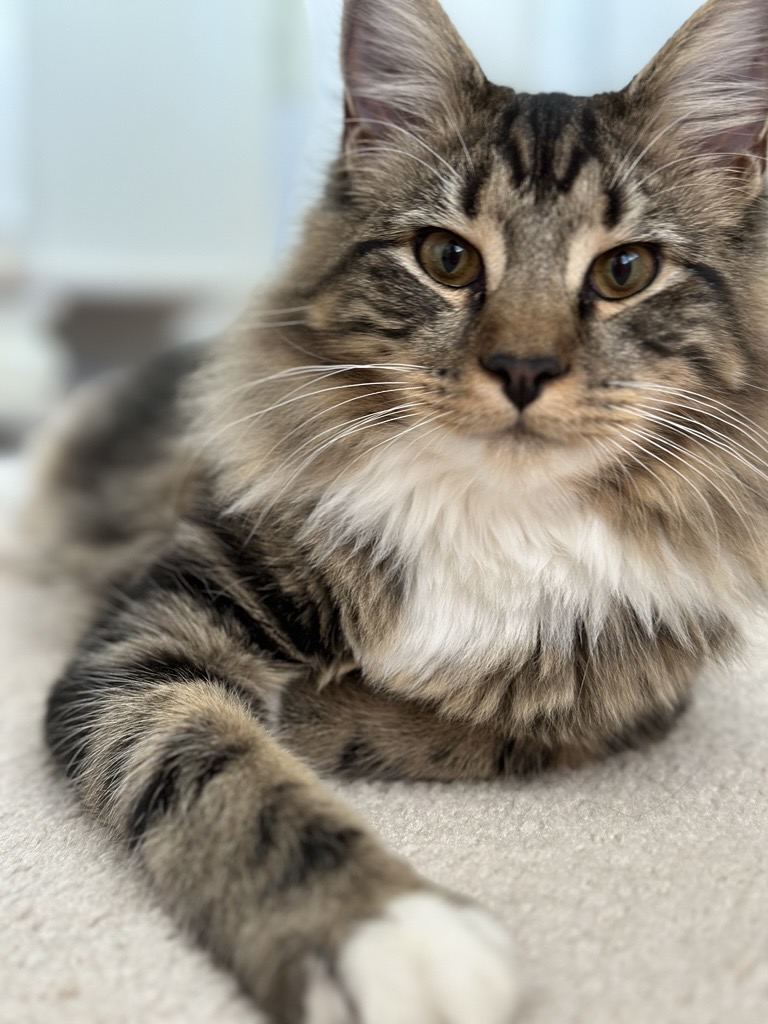
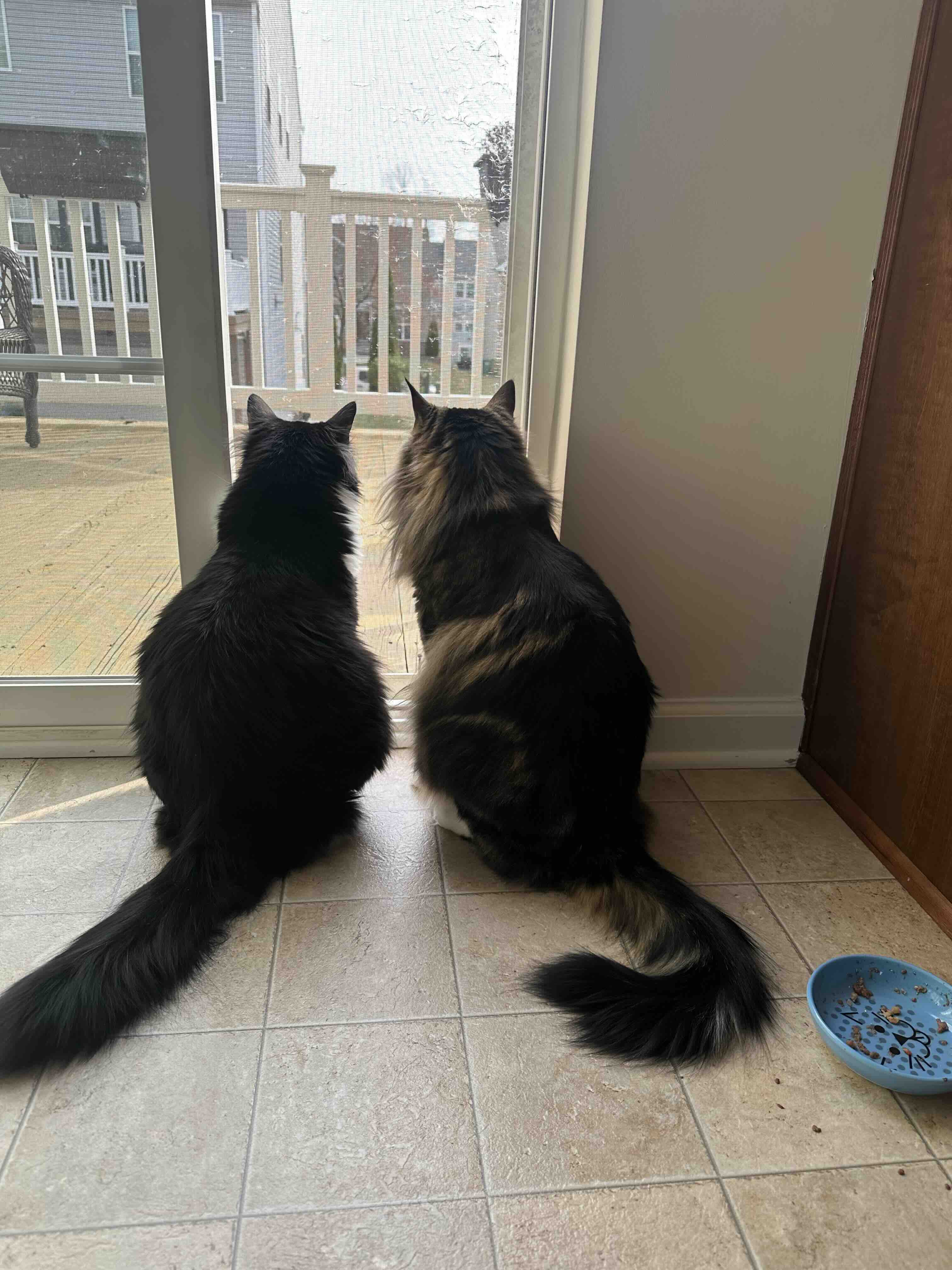
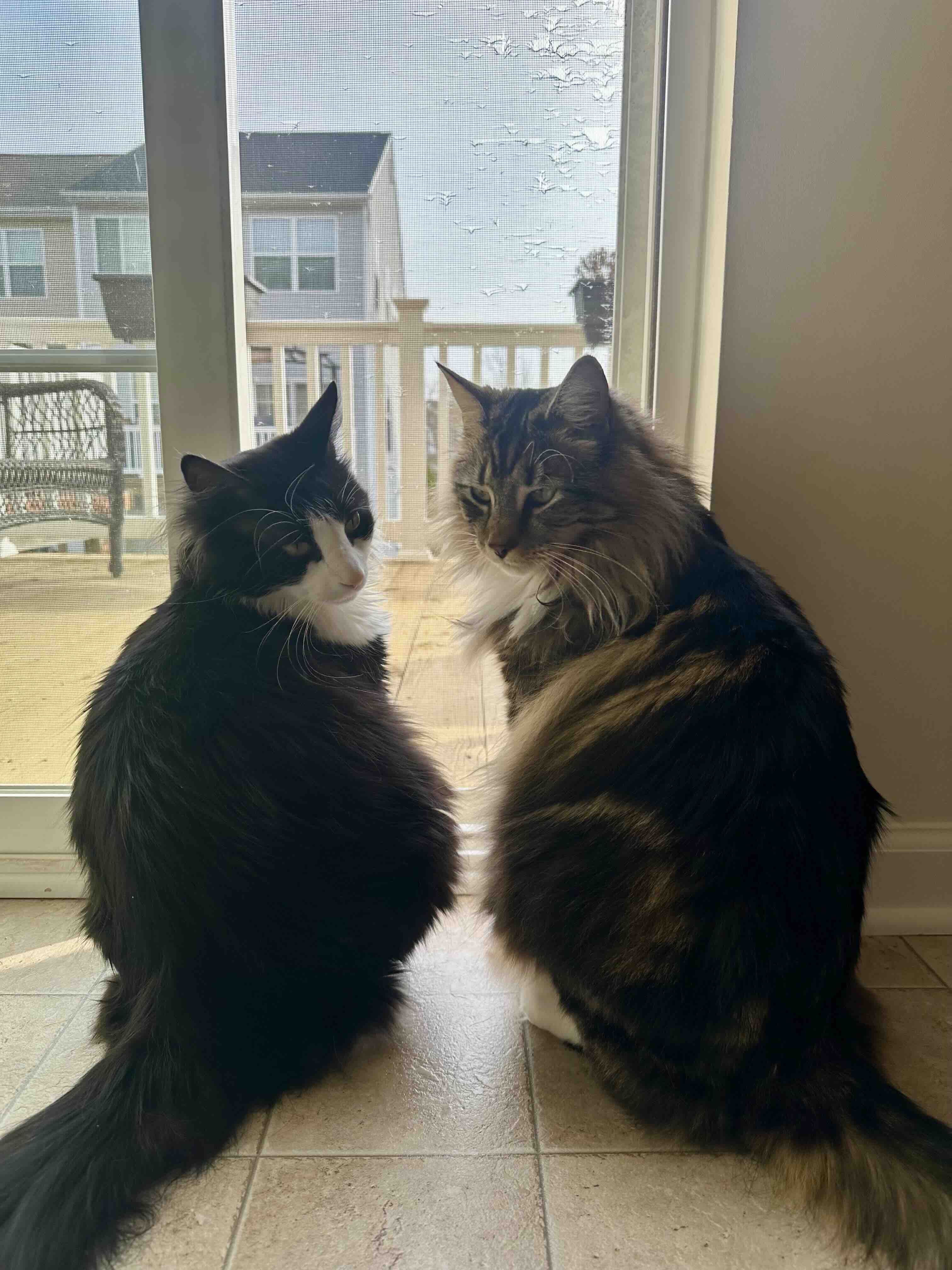
Arlo & Edie · Chief Taste TestersPost-dinner field notes
My House Tigers, Arlo and Edie, are picky eaters. I have bought can after can of brands marketed as low in guar gums, "vet recommended," "grain-free," "premium." My House Tigers ignored all of them. After enough money sunk into rejected cans, I went looking. I trawled Reddit threads, Chewy, Amazon, and PetSmart reviews to figure out what other picky cats would touch. The answer was never in any single place.
So I built one. House Tiger pulls those scattered reviews and Reddit comments into one place and turns them into rankings. It's a tool I use every day for my own cats, and I'm putting it on the open web because no one should have to throw away food to figure out what their cat will eat. The site is cat-first. Every product here earned its ranking from repeated real-world acceptance, not advertising spend. I hope it helps you find something your House Tiger loves.
🧬 Why the Name "House Tiger"
Domestic cats share roughly 95% of their DNA with big cats. The grooming, the stalk-pounce-bite play sequence, the obligate-carnivore physiology: your cat is, genetically, a tiny tiger that decided your couch looked comfortable. That is the lens this site is built through. Every house cat carries something wild.
It is also where House Tiger is headed next. With a background in bioinformatics, I'm building a DNA analysis service that will read your cat's actual genome and tell you which big-cat ancestry, which breed traits, and which health markers it carries. The same rigor that powers the leaderboard will power the report. If that sounds interesting, join the waitlist on the home page. You will hear from us once, when there is something real to show.
Frequently Asked Questions
Tap any question to expand the answer.
What is House Tiger?
House Tiger is a cat-first toolkit. Three things live here today.
The Leaderboard, where product rankings come from real owner reports rather than advertising. Every score is earned by repeated real-world cat acceptance.
My Cat, a free wellness tool that turns your cat's profile (age, weight, conditions, eating habits) into tiered, personalized picks and a plain-English wellness note.
The Breed Identifier, a free AI tool that estimates your cat's most likely breed from a photo, with calibrated confidence.
The leaderboard is free for anyone to use, and no brand can pay to rank higher on it.
House Tiger is a science-leaning brand for the house cat. It is built on a single biological fact: domestic cats share roughly 95% of their DNA with big cats. Today that means the product Leaderboard, the My Cat wellness tool, and the free AI Breed Identifier. Next it means decoding your cat's actual DNA: breed mix, lineage traits, health markers, and the big-cat genes hiding in the family tree. The promise behind every part of the site is the same. Look hard at the cat in front of you, then give the owner something true and useful.
What is the Cat Score, exactly?
A 0-to-100 composite of three independent signals, blended deliberately so no single noisy review can swing a score.
The retail star average, weighted by confidence. We scale by log(review count), so a 4.7-star product with 500 reviews earns its high score, while a five-star product with one review pulls toward the middle until more cats weigh in.
A cat-acceptance bonus worth ±15 points. This is the share of Reddit and forum reports where the cat willingly ate, used, or played with the product. It is the signal no other rating site captures.
An owner-sentiment bonus worth ±5 points. This is the net positive-versus-negative tone in the same Reddit and forum reports. The weight is small on purpose. Owner sentiment is noisier than the cat's own reaction.
Concretely, a 4.7-star product with 500 reviews lands around 83. Owner verification can push it as high as 95 or pull it as low as 35.
What does "Cat Approved" mean? And what about my picky cat?
Cat Approved means the owner reported that their cat willingly ate, used, or played with the product. Our AI extraction looks for explicit language like "my cat devours this every meal," "she goes crazy for it," "he finally started eating again." Rejected language counts the other way: "won't touch it," "refused after one sniff," "ignored it." Reports that never describe the cat's reaction do not count in either direction.
Picky cats are signal, not noise. When a picky cat accepts something, that report carries extra weight. Products that score high despite many picky-cat reports are genuinely exceptional.
Where does the data come from?
Three sources, all chosen because owners there share long, experience-based feedback with nothing to gain from it.
Reddit cat communities. r/CatAdvice, r/CatFood, r/cats, r/AskVet (a community vet forum, not formal veterinary advice), and breed-specific subreddits including Maine Coon, Ragdoll, Bengal, and Sphynx.
TheCatSite.com forums. The largest English-language cat owner forum, with decades of nutrition and health-board discussion behind it.
PetSmart product listings. Used for the structured aggregate star ratings and review counts that feed the retail-rating signal.
We deliberately do not pull raw retail-site review prose, which tilts positive because owners whose cats rejected a product tend to switch quietly without leaving a review.
How often is the data updated?
A scheduled pipeline runs every two weeks. It pulls new Reddit comments, forum posts, and PetSmart aggregate ratings, then recomputes every Cat Score from scratch. A product that suddenly gets rejected by many cats will drop. A product with a growing streak of acceptance will rise. The data reflects rolling community experience, not a frozen snapshot.
What is "My Cat" and what does it do?
My Cat is a free profile-based tool. Tell it your cat's age, weight, indoor/outdoor lifestyle, eating habits, and any known conditions. You can also type conditions into the free-text box; common ones like asthma, IBD, HCM, anxiety, and a dozen others are auto-detected and factored into the output. You get back three things.
A short, plain-English wellness note. Written like a person, not a wall of bullets.
Tiered product picks: Essentials (the non-negotiables, like a low-dust litter for an asthmatic cat), Tailored (good matches for the lifestyle signals you reported), and Best Value (the best price per ounce in your cat's category with strong ratings to back it up).
Suggested reads, one per condition you flagged, drawn from Cornell Feline Health Center, VCA, the OSU Indoor Pet Initiative, and other vet-verified sources.
Your profile lives on your device by default, in your browser's localStorage. It is stored server-side only if you sign in and save it to your account.
Is the wellness note medical advice?
No. The wellness note is general information based on your cat's profile. It is not veterinary advice. The picks and findings come from deterministic rules. The prose summary may be AI-written, with strong guardrails against hallucinated facts and fake citations. For diagnosis, treatment, or any actual concern about your cat's health, please consult a licensed veterinarian. If something feels off about your cat, call your vet.
Can I skip the AI and use the rule-based summary instead?
Yes. Toggle off "Use AI to write the wellness note" on the My Cat page. The summary becomes instant and fully deterministic, with no API call and no energy footprint. The product picks, findings, and suggested reads are identical either way. Only the wellness-note prose differs. The toggle is there for two kinds of visitor: people who want a lower-energy default, and people who simply prefer rule-based output to LLM output.
How does the free Breed Identifier work, and how accurate is it?
You upload a photo. Our AI compares your cat's visible traits (coat pattern, body proportions, head shape, ear set, and so on) against pedigreed-breed reference points and returns up to three matches with calibrated confidence.
A word about accuracy. Cat-breed identification from photos is inherently noisy, and roughly 90% of domestic cats are mixed-breed, meaning they do not strongly resemble any single registered breed. If your top match comes back as "Domestic Shorthair (mixed)" at 65%, that is the more truthful result than a confidently wrong specific breed. Confidence values intentionally cap below 90% unless multiple breed-specific traits are textbook-unambiguous. For actual ancestry, wait for our DNA service.
Is my cat's photo stored anywhere?
No. Your photo travels over HTTPS, gets resized in memory to at most 1024 pixels on the longest side, gets sent once to our AI provider for analysis, and is then immediately discarded. We never write image bytes to disk, to the database, or to any log. If you choose to unlock the full top-three by entering your email, we record only your email and the top breed name we showed you. The photo itself is already gone by then. Full details live in the Privacy Policy.
Why do I need to enter an email to see the full top-3?
You get the top match for free, no email required. The full top three plus a shareable result is gated by an email so we can write to you once when our DNA service launches. That service goes much deeper than visual likeness. We do not spam, do not resell, and one click unsubscribes you.
When will the DNA service launch, and how is it different from the Breed Identifier?
The DNA service is pre-launch. Join the waitlist on the home page and you will get one email when there is something real to show. The difference between the two products matters.
The Breed Identifier is a visual-likeness tool. It reads what your cat looks like, not what is in its genome. A long-coated tabby Domestic Shorthair and a Maine Coon look similar to a camera.
DNA reads the actual genome. Breed mix, lineage traits, big-cat ancestry, and health markers like predispositions to HCM, PKD, and urinary issues. It tells you things a photo cannot.
The promise behind both is the same. Put the cat first. Tell the truth. Never overclaim.
Can I install House Tiger as an app on my phone?
Yes. House Tiger is a Progressive Web App, so it installs straight from the browser with no App Store involved.
On iPhone or iPad with Safari, tap the Share button, then choose Add to Home Screen.
On Android with Chrome, tap the menu, then choose Install app. You can also accept the install prompt when it appears on its own.
On desktop Chrome or Edge, click the install icon in the address bar.
You get a full-screen launch, an icon on the home screen, and offline access to the last leaderboard you viewed. There is no tracking, and the only permission the site asks for is the camera, which only fires when you choose to use the Breed Identifier.
What product categories are covered?
Wet food, dry food, raw and freeze-dried food, treats, every common litter type, interactive toys, scratchers, automatic feeders, and water fountains. The catalog grows as our scrapers add coverage. If a category you care about looks thin, it usually fills in over a few biweekly update cycles.
Why doesn't my cat's favorite product appear?
A product only appears once it has been mentioned in a community we track, with enough context for our pipeline to identify the exact brand and model and to extract a cat reaction. Newer, regional, or niche products may not have enough discussion behind them yet. The fastest way to get one onto the leaderboard is to review it honestly in r/CatAdvice or on TheCatSite. Genuine cat reactions are precisely what we are looking for.
Are any rankings paid or sponsored?
No. Rankings come out of the Cat Score formula, full stop. Brands cannot buy, influence, or request a higher position. The only commercial element on the site is an optional affiliate link when you click to buy a product. That link may earn us a small commission at no cost to you, but it has zero effect on rankings. A product with a terrible Cat Score will never be promoted regardless of how generous its affiliate program is.
How do affiliate links work?
When we've gathered prices across retailers, the primary button shows the lowest price we found and sends you straight there — and the product modal lists every retailer with its price so you can compare and choose. The cheapest option is picked by price, never by which retailer pays us more; commission only ever breaks an exact tie. When we don't yet have prices for a product, the button reads "Where to buy" and links to the product page we have. If you buy through one of these links we may receive a small commission at no additional cost to you. That's how the site stays free — it never influences rankings.
Is House Tiger free to use?
Yes. Browsing the leaderboard, using My Cat for personalized picks, and trying the Breed Identifier are all free. The site is funded entirely by the affiliate commissions described above. Core search and rankings will always be free, because the leaderboard only does its job if every cat owner can reach it.